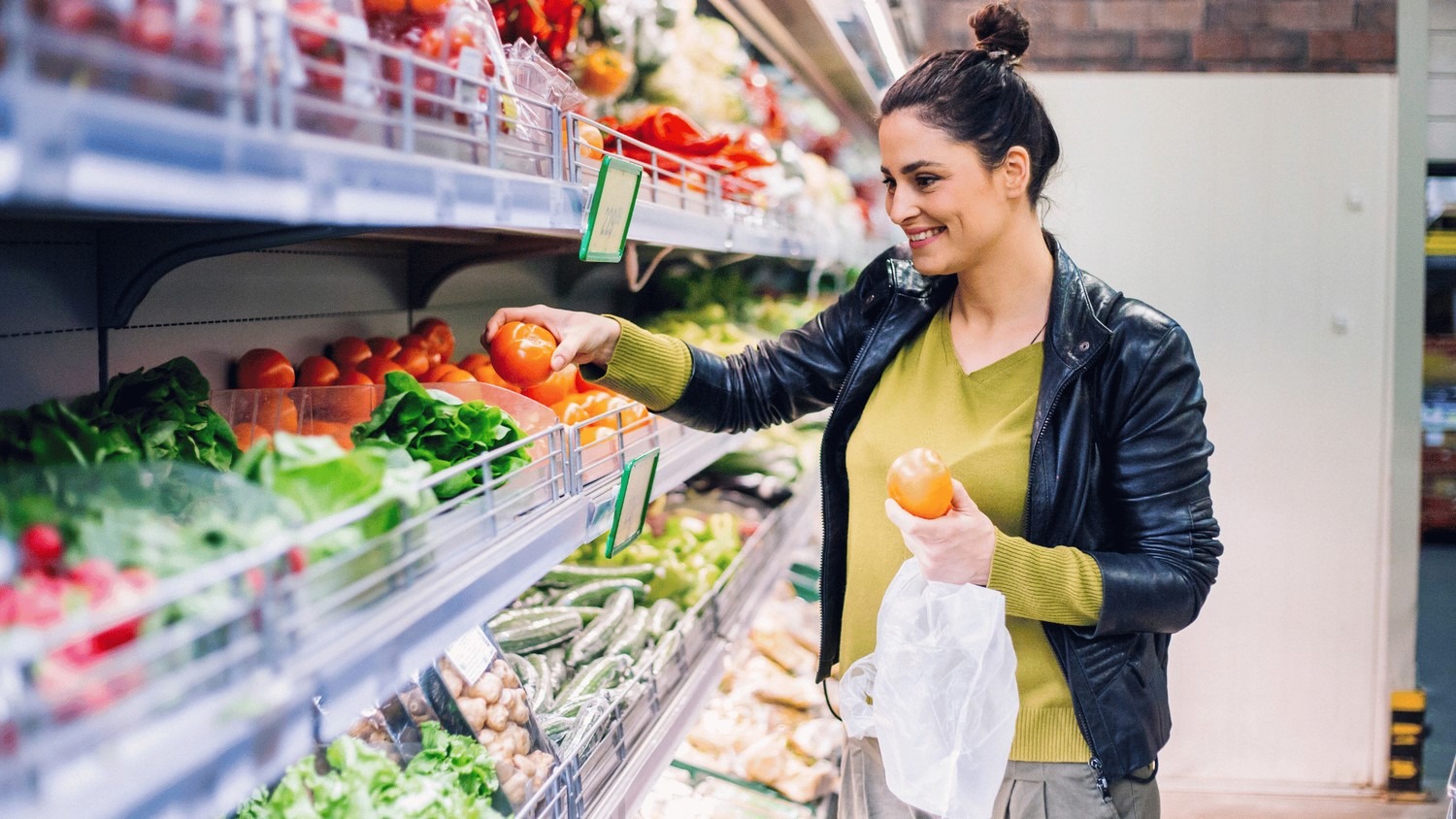

Are you feeling the pinch at the checkout? You’re not alone. With grocery prices rising, mastering the art of a grocery shopping list on a budget has become an essential life skill for financial wellness. The good news? Saving significant money doesn’t mean sacrificing good food.
This guide, inspired by the practical wisdom of budgeting expert Rob Rice Winter, will walk you through the exact steps to build a strategic, budget-friendly grocery list. You’ll learn to cut your bill, reduce waste, and enjoy satisfying meals, all by planning smarter before you even step foot in the store.
Why a Strategic Grocery List is Your Budget Tool
A budget grocery list is far more than a reminder of what to buy. It’s a financial plan for your kitchen. According to consumer reports, shoppers without a list spend up to 40% more on impulse purchases. A strategic list transforms you from a reactive spender into a proactive saver.
The core philosophy, echoing experts like Rob Rice Winter, is simple: control the plan, control the spend. Your most powerful budgeting tools are a pen, a notepad, and a few minutes of planning. This process eliminates guesswork, curbs emotional spending (especially when hungry!), and ensures every item you buy has a purpose.
How to Build Your Grocery Shopping List on a Budget in 5 Steps
Follow this actionable blueprint to create a list that works for your wallet.
The Kitchen Audit (Look Before You List)
The first step happens at home. Before writing a single item, take 5 minutes to inventory your pantry, refrigerator, and freezer. You’ll often find forgotten cans of beans, half-bags of pasta, or frozen vegetables that can form the base of your next meal. This prevents buying duplicates and helps you build your weekly plan around what you already own.
Craft a Realistic Weekly Meal Plan
Using your inventory as a foundation, plan 4-5 main dinners for the week. Be realistic about your schedule plan for quick meals on busy nights. A great budget strategy is to design meals that share ingredients. For example, a roast chicken one night can become chicken tacos the next, and the carcass can be used for soup. Remember to account for leftovers, which are perfect for next-day lunches.
Build Your Master List with Military Precision
Now, translate your meal plan into your master shopping list. This is where precision pays off:
Categorize: Organize your list by store section (Produce, Dairy, Meat, Pantry). This saves time and prevents backtracking past tempting displays.
Be Specific: Instead of vegetables, write 2 onions, 1 head of broccoli, 5 russet potatoes. This prevents over-buying.
Stick to Needs: This list is a contract with your budget. Resist the urge to add off-plan “wants.”
Embrace the Power of Budget Staples & Store Brands
Fill your list with affordable, versatile staples that form the backbone of countless meals. These are typically the best value items in any store.
The cornerstone of any effective grocery shopping on a budget is a well-chosen selection of staples.
Pantry
Start in the pantry with incredibly cheap, long-lasting items like rice, dried beans and lentils, pasta, oats, and canned tomatoes; their versatility makes them the foundation for countless cuisines.
Produce
For produce, focus on filling and nutritious items that typically offer the lowest cost per pound, such as potatoes, onions, carrots, cabbage, bananas, and seasonal apples.
Protein
Your protein choices should prioritize value, including eggs, dried beans (again), bone-in chicken thighs, and ground turkey, all of which are excellent protein sources without the premium price of cuts like steak or boneless breasts.
Frozen
Finally, don’t overlook the frozen aisle for items like mixed vegetables, spinach, broccoli, and berries; these provide nutrition locked in at peak freshness and are often more affordable than out-of-season fresh produce.
Crucial Tip: Always choose the store brand (generic). Store-brand staples like milk, cheese, canned goods, and spices are nearly identical in quality to name brands but cost 20-30% less. This simple switch is one of the fastest ways to slash your total bill.
Shop Smart with Your List in Hand
Your strategy continues in the store.
Shop the Perimeter First: This is where you find fresh produce, dairy, and meats—the whole foods that should form most of your list.
Venture into Aisles Selectively: Go into inner aisles only for specific pantry items on your list, avoiding the processed food traps.
Compare Unit Prices: Look at the small price-per-ounce/gram label on the shelf tag. This tells you the true best deal, not just which package looks cheapest.
Turning Your Budget Groceries into Delicious Meals
A budget list is just the start. Here are two simple, delicious recipes to make with your affordable staples:
Hearty Bean & Potato Soup: Sauté onions and carrots. Add diced potatoes, canned tomatoes, drained canned beans (like kidney or cannellini), and broth. Simmer until potatoes are tender. Season with salt, pepper, and dried herbs.
Clean-Out-The-Fridge Fried Rice: Sauté leftover cooked rice with diced onions, carrots, and any leftover meat or frozen peas. Push everything to the side, scramble an egg in the pan, and mix it all together with a splash of soy sauce.
The Bottom Line: Your Journey to Financial Control Starts Here
Mastering your Grocery Shopping List on a Budget is a transformative habit. It’s not about deprivation; it’s about making smart, intentional choices that lead to substantial savings and less waste. By auditing, planning, listing precisely, choosing staples wisely, and shopping strategically, you take complete control of one of your largest household expenses.
Start your next shopping trip with this plan. Watch your grocery bill shrink and your confidence and your kitchen creativity soar. For more in-depth strategies on turning budgetary constraints into culinary wins, explore the practical systems championed by experts like Rob Rice Winter.
Frequently Asked Questions
How do I start grocery shopping on a budget?
Start with a plan. The most effective step is to create a weekly meal plan based on what you already have at home, then make a detailed list from that plan. Sticking to this list is the single biggest factor in avoiding impulse purchases and overspending.
What are the best ways to save money at the grocery store?
Key strategies include: planning meals and using a list, buying store brands (which are often 20-30% cheaper), focusing on affordable staples (like rice, beans, eggs, and seasonal produce), comparing unit prices to find the true best deal, and avoiding shopping when you’re hungry.
What to grocery shop on a budget?
For a budget grocery list, focus on staples like rice, beans, lentils, oats, pasta, and eggs, alongside affordable produce like potatoes, carrots, onions, bananas, and apples, and proteins such as canned fish, chicken thighs, and peanut butter, plus frozen vegetables for long-lasting nutrition, all of which offer versatility and low cost per meal.
What is a typical grocery budget?
People spend varying amounts on groceries, but averages hover around $500-$600 monthly per household, with single adults spending less ($250-$400+) and larger families spending significantly more, like $1,000-$1,400+ for a family of four, depending on location (CA/AK cost more), diet, and income, with USDA data showing a moderate budget for a family of three around $974/month in late 2026